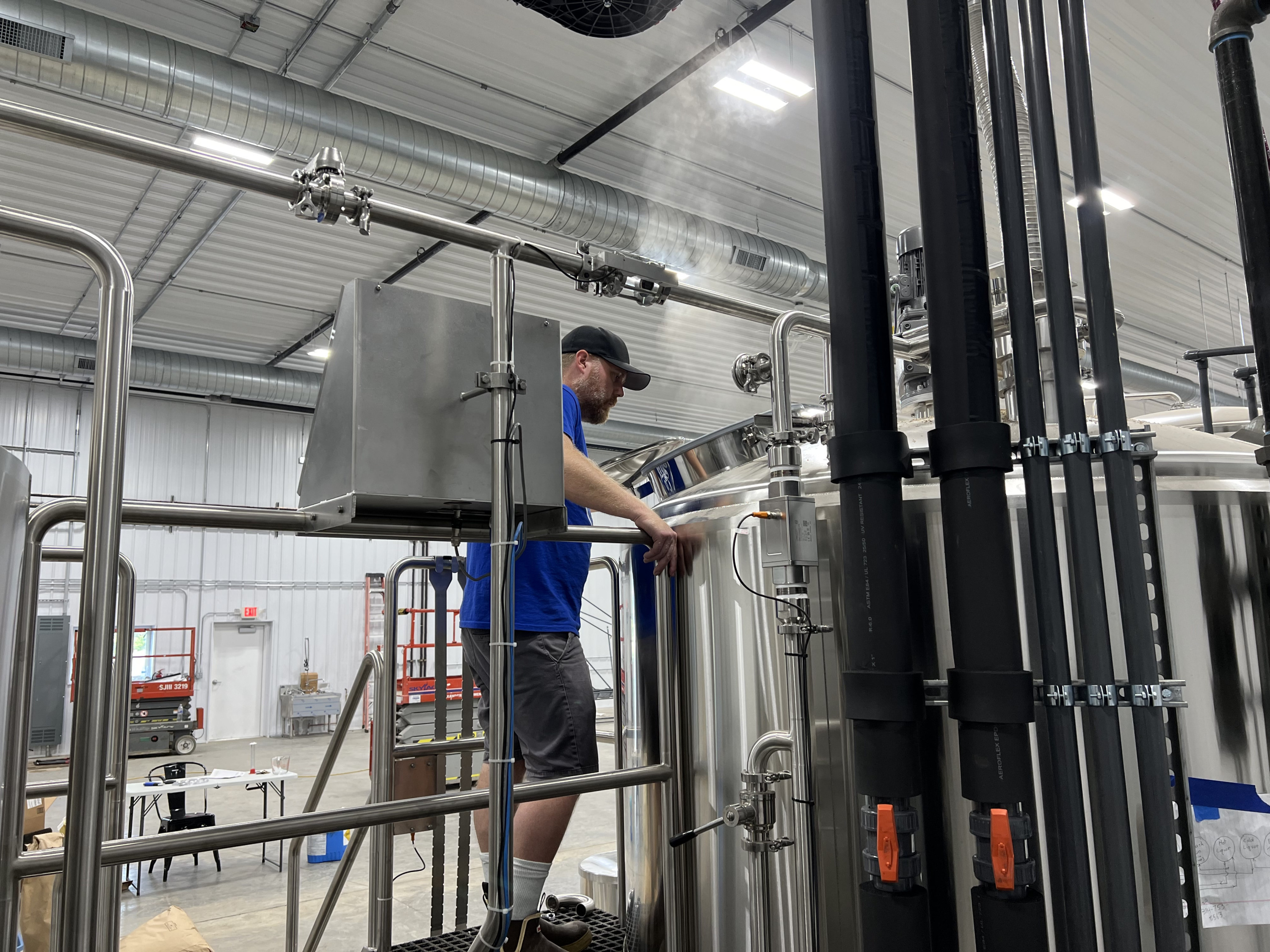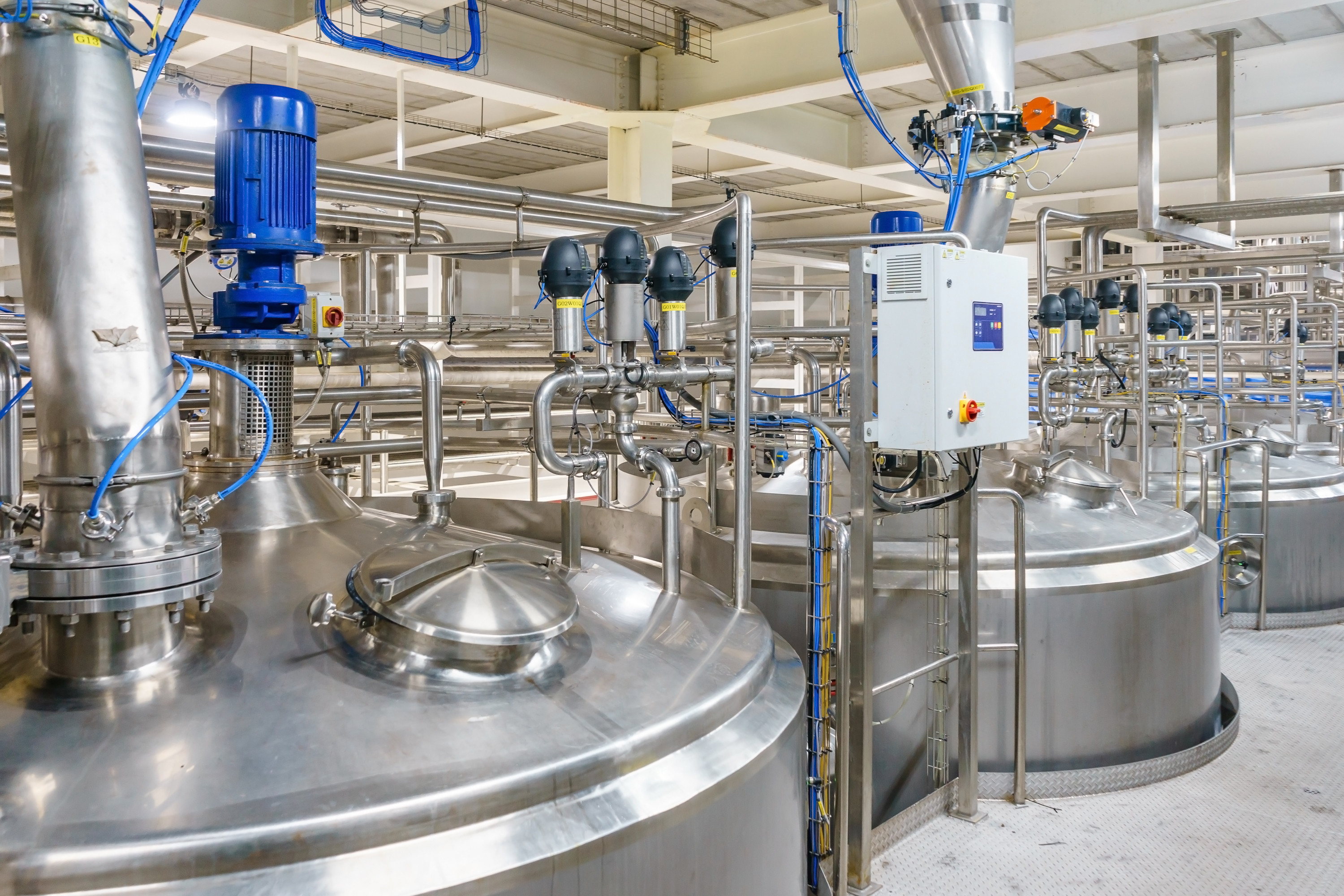

A biotech process skid should support the process, the people operating it, and the quality requirements surrounding it. Crawford Biotech develops custom process skid systems that bring equipment, sanitary piping, instrumentation, utilities, controls, and automation together in one coordinated platform.
Our work begins with the process challenge. From early requirements and engineering collaboration through fabrication, integration, testing, documentation, delivery, and startup planning, we help keep critical details aligned and reduce implementation risk. The result is a modular process skid designed for reliable performance, maintainability, validation readiness, facility requirements, and long-term use.
Discuss Your Process Skid Project | Share your process requirements, user requirements, drawings, equipment list, automation needs, facility constraints, and target schedule.
Every process has different operating parameters, product-contact requirements, utility demands, automation needs, space constraints, and documentation expectations. Successful process skid fabrication starts with understanding how the system must perform within the process and the regulated environment around it.
Crawford Biotech brings process, mechanical, electrical, controls, automation, fabrication, and quality considerations together early. This collaborative approach clarifies interfaces, improves operability and cleanability, reduces avoidable rework, and prepares the system for efficient testing, turnover, qualification, and deployment.
A reliable process skid depends on more than quality fabrication. It requires disciplined coordination across the complete assembly and a clear connection to the process the system supports. Crawford Biotech tailors the project approach to the maturity of the design, the operating requirements, and the level of integration needed.
Capability |
How It Moves the Project Forward |
|---|---|
| Process-led engineering collaboration | Aligns process requirements, equipment, utilities, automation, cleanability, and facility interfaces before fabrication moves forward. |
| Structural and sanitary fabrication | Builds the supporting structure and product-contact assemblies around approved materials, loads, access, transport, and hygienic design requirements. |
| Equipment and utility integration | Coordinates vessels, pumps, valves, instruments, process piping, clean utilities, and connection points within one organized system. |
| Automation and controls integration | Connects panels, sensors, instrumentation, software, and equipment interfaces so the skid can be reviewed and tested as a complete system. |
| Testing and turnover documentation | Supports defined inspections, traceability, pressure or leak testing, functional checks, factory acceptance testing, punch-list completion, and turnover requirements. |
| Deployment and startup coordination | Plans shipment, placement, process and utility tie-ins, field verification, installation support, startup, and the handoff into qualification activities. |
Modular process skids allow critical bioprocess systems to be assembled, integrated, and tested in a controlled shop environment before arriving at the facility. This can reduce on-site disruption, improve consistency, and give project teams greater visibility into the system before installation and startup.
A modular approach can also support phased growth, repeatable platforms, technology transfer, and faster deployment across products, lines, or facilities. Crawford Biotech considers not only footprint and transport, but also process flow, operator access, cleanability, controls, utility connections, lifting, field tie-ins, validation activities, and future capacity needs.
Biotech process skids require careful attention to hygienic design, process performance, cleanability, material selection, instrumentation, automation, documentation, and system integration. Applications may include buffer and media preparation, filtration, process transfer, clean utilities, CIP support, dosing, formulation, and other equipment-intensive unit operations.
For sanitary process skids, product-contact materials, surface finish, drainability, weld quality, connection types, instrument placement, dead-leg control, and cleaning strategy should be established in the approved project requirements. Crawford Biotech works from those requirements to fabricate and integrate a system prepared for inspection, factory testing, turnover, and the customer’s qualification process.
|
Project Stage |
Project Focus |
|---|---|
|
1. Understand the process |
Define operating requirements, product-contact needs, utilities, automation, quality expectations, documentation, site constraints, and schedule. |
|
2. Align the design |
Review process flow, layout, cleanability, access, controls, transport, lifting, field connections, and constructability. |
|
3. Fabricate and assemble |
Build the skid and assemble approved equipment, sanitary piping, instrumentation, utilities, electrical components, and controls. |
|
4. Integrate the system |
Coordinate process, mechanical, electrical, and automation interfaces so the skid operates as one connected platform. |
|
5. Test and document |
Complete agreed inspections, testing, functional verification, factory acceptance activities, punch-list work, and turnover documentation. |
|
6. Deliver and support deployment |
Prepare the system for transport, placement, utility connections, field verification, startup, and the customer’s qualification process. |
Complex projects succeed when process understanding, engineering, fabrication, automation, quality, and documentation stay connected. Crawford Biotech helps customers coordinate those disciplines through one practical project approach, with attention to system performance from early design review through deployment.
Bring your process requirements, user requirements, drawings, equipment list, automation strategy, facility constraints, documentation needs, and schedule to Crawford Biotech. Our team will help define a fabrication and integration approach that supports process performance today and creates a practical path to testing, qualification, startup, and future growth.
Discuss Your Process Skid Project | Contact Crawford Biotech to start the conversation.
Biotech process skid fabrication is the coordinated construction and integration of process equipment on a structural base or frame. A skid may include sanitary piping, vessels, pumps, valves, instrumentation, utilities, electrical components, controls, and automation. Integrating these elements before delivery can reduce field work and allow more of the system to be inspected, tested, and documented in advance.
Modular process skids move critical assembly and integration into a controlled environment. This can reduce on-site disruption, improve consistency, create clearer project boundaries, and give teams greater visibility into the system before installation. Modular platforms can also support phased capacity, repeatable designs, technology transfer, and future expansion.
Custom bioprocess skids can support applications such as buffer and media preparation, filtration, process transfer, clean utilities, CIP support, dosing, formulation, and other equipment-intensive unit operations. The final design should be based on the process, product-contact, automation, facility, documentation, and qualification requirements for the specific application.
Crawford Biotech works from approved project requirements that define product-contact materials, surface finish, drainability, weld quality, connection types, instrumentation, cleaning strategy, inspection, testing, and documentation. The fabrication and integration approach is aligned to those documented requirements and the customer’s review and qualification process.
A strong specification identifies process parameters, equipment and component standards, product-contact materials, design conditions, utilities, automation, documentation, inspection and testing requirements, site constraints, transport limits, connection points, and responsibilities for installation, startup, and qualification.
Testing depends on the agreed scope and acceptance criteria. Activities may include dimensional review, weld inspection, pressure or leak testing, electrical checks, instrument verification, controls testing, water runs, functional testing, and factory acceptance testing. Documentation expectations should be established before fabrication begins.
Skid system integration brings the equipment, piping, instrumentation, electrical components, controls, and automation together on the skid. Installation covers delivery, placement, process and utility tie-ins, field verification, startup, and other site work. Crawford Biotech defines these scope boundaries early so responsibilities and handoffs are clear.