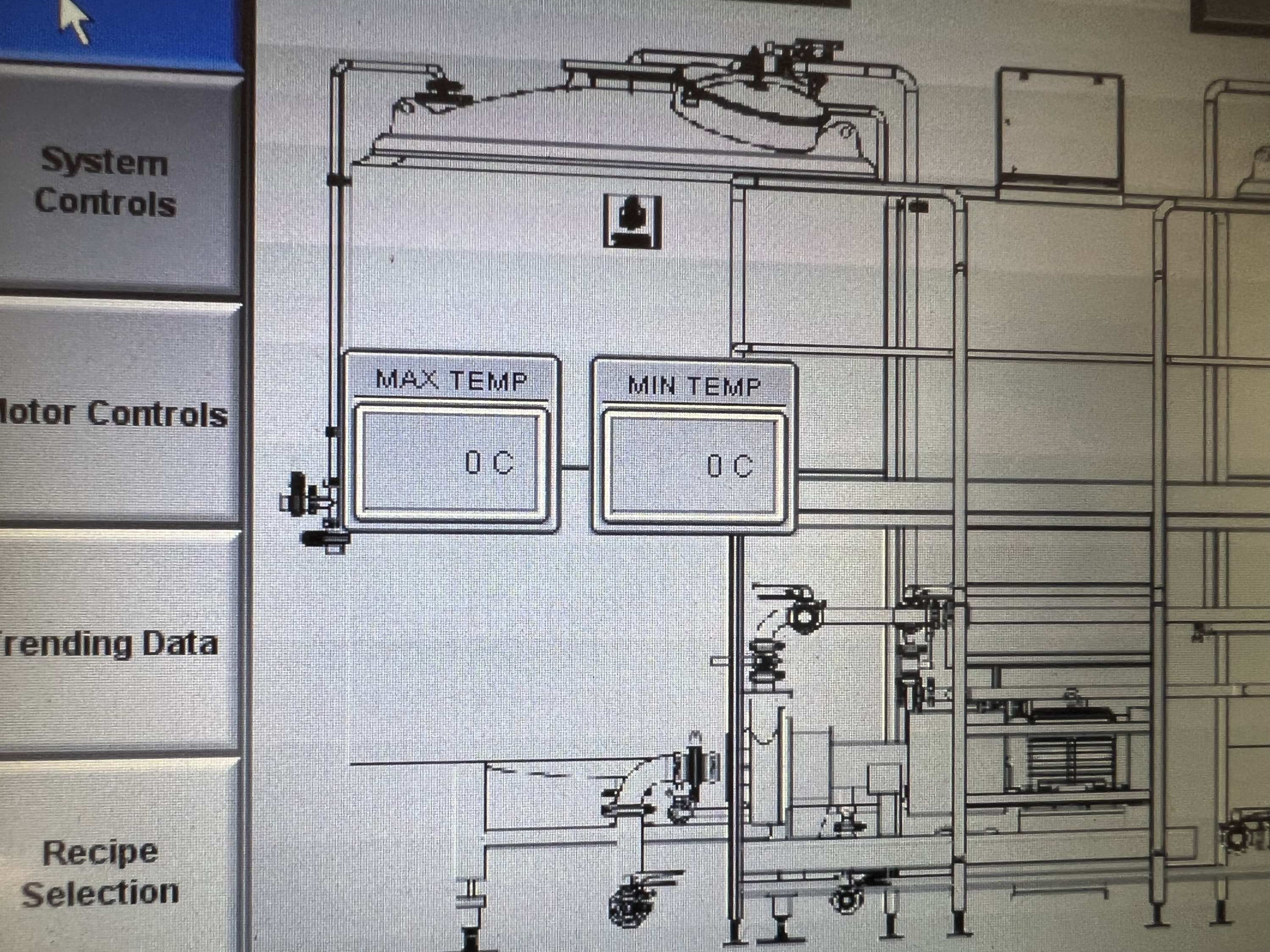

Industrial automation should support the process, not dictate it. At Crawford Biotech, automation is developed as part of a larger process solution that includes equipment, instrumentation, controls, utilities, and operator interaction.
Whether the project involves a bioreactor, clean-in-place system, process skid, mixing platform, pilot system, or custom process equipment, our goal is to create industrial automation systems that improve visibility, support repeatable operation, and help teams operate with greater confidence.
By integrating process knowledge, equipment design, instrumentation, and controls early in the project, Crawford Biotech helps reduce implementation risk while creating systems that are easier to operate, troubleshoot, maintain, and expand over time.
Discuss Your Process Automation Project | Share your process requirements, equipment information, operating sequences, controls standards, existing system details, and project schedule.
Every process has unique operating requirements, critical process parameters, utility demands, and operator interactions. Crawford Biotech develops automation and controls around the specific application rather than applying a one-size-fits-all control strategy.
By understanding how the process needs to perform before automation is developed, Crawford Biotech helps create systems that are easier to operate, easier to troubleshoot, and better aligned with long-term production goals.
Successful automation begins with understanding how the process needs to perform. The control strategy, instrumentation, operator interface, and equipment integration should support that process rather than force the process to fit a predetermined controls approach.
Before selecting hardware or developing control logic, Crawford Biotech works to understand operating sequences, critical process parameters, equipment interfaces, utility requirements, operator responsibilities, alarm conditions, and the information the operating team needs to see.
That process-led approach helps keep process design, equipment design, fabrication, instrumentation, and controls aligned as the project moves forward.
Automation integration is most effective when equipment, process control systems, instrumentation, utilities, and operators function as one coordinated environment. Crawford Biotech considers how the complete system will operate, clean, communicate, recover from interruptions, and connect to surrounding equipment.
The goal is not to automate individual components for the sake of adding technology. The goal is to provide the appropriate level of control, visibility, and repeatability for the process.
A process control system should provide more than control. It should provide meaningful insight into how the process is performing. The right automation strategy helps operators understand critical conditions, identify potential issues sooner, respond to changing conditions, and operate equipment with greater consistency.
Depending on the application, process control systems may monitor and manage temperature, pressure, flow, level, pH, agitation, pump and valve status, cleaning-cycle conditions, utility availability, sequence timing, equipment status, alarms, and process trends.
Crawford Biotech develops process control systems around the information operators need to make decisions and the outcomes the process needs to achieve.
Programmable Logic Controllers and Human-Machine Interfaces provide the operational foundation for many automated process systems. The PLC executes the approved control strategy, while the HMI gives operators a clear way to monitor conditions, adjust approved settings, respond to alarms, and manage system operation.
Bioreactors and fermentation systems depend on coordinated monitoring and control to maintain the conditions required by the process. Equipment, instrumentation, utilities, and automation must work together throughout startup, operation, sampling, transfer, cleaning, and shutdown.
Crawford Biotech can develop automation around the specific system, including the monitoring and control of temperature, agitation, pH, gas delivery, pressure, level, feed addition, and other defined operating parameters. Connecting equipment design and automation strategy early helps clarify requirements, reduce avoidable manual steps, support repeatable operation, and create a more organized path from pilot-scale operation to larger systems.
Clean-in-place systems require accurate coordination of valves, pumps, utilities, temperatures, flow conditions, chemical additions, and cycle timing. Automation helps manage these activities as a defined sequence rather than a collection of separate manual actions.
Depending on the system, automation may manage valve routing, pump operation, temperature and flow conditions, chemical addition, step duration, rinse activities, operator prompts, alarm conditions, cycle status, and process records.
A process skid becomes more valuable when equipment, instrumentation, controls, and the operator interface function as one coordinated system. Crawford Biotech integrates automation into custom process skids based on the needs of the application.
Planning skid automation alongside equipment design can move more coordination, programming, assembly, and functional testing into a controlled environment before the system reaches the facility. This helps reduce field coordination, identify interface issues earlier, and provide greater confidence in how the skid will operate after installation.
The value of automation is not measured by the amount of technology installed. The value is measured by the operational outcomes the system creates.
By aligning automation with process objectives from the beginning, Crawford Biotech helps clients create systems that support current operating goals and future expansion.
| Project Stage | Project Focus |
|---|---|
| 1. Understand the process | Review equipment, operating sequences, critical variables, operator interactions, utilities, existing systems, constraints, and project goals. |
| 2. Define the control strategy | Establish instruments, control functions, operating modes, alarms, interlocks, data needs, communication requirements, and system boundaries. |
| 3. Coordinate equipment and controls | Develop mechanical, electrical, instrumentation, panel, and automation requirements together to reduce late-stage conflicts. |
| 4. Configure and program | Build the PLC logic, HMI screens, sequences, alarms, setpoints, diagnostics, and communication interfaces around approved requirements. |
| 5. Integrate and test | Bring equipment, instrumentation, panels, controls, and software together for the inspections and functional testing defined by the project. |
| 6. Support deployment | Prepare the system for field connections, verification, startup, operator handoff, and long-term operation. |
Many automation providers focus primarily on controls. Crawford Biotech focuses on the process. Automation decisions are considered alongside equipment design, utility requirements, instrumentation, cleaning strategies, maintenance activities, startup performance, and long-term operation.
Because Crawford Biotech designs, integrates, fabricates, and supports complete process systems, our team can approach automation as one connected part of a larger operational solution.
Whether the project involves a bioreactor, clean-in-place system, process skid, mixing system, pilot system, fermentation system, or custom equipment, the automation strategy should support how the process needs to operate.
Bring your process requirements, equipment information, operating sequences, controls standards, existing system details, and project schedule to Crawford Biotech. Our team will help define an industrial automation system that connects equipment, controls, instrumentation, utilities, and operators around one coordinated process.
An industrial automation system uses instrumentation, controllers, software, and operator interfaces to monitor and manage process equipment. The system may coordinate pumps, valves, vessels, utilities, mixers, bioreactors, cleaning systems, and other equipment according to defined operating requirements.
Automation integration connects instruments, PLCs, HMIs, equipment, controls, utilities, and related systems into one coordinated operating environment. The scope may include hardware coordination, programming, equipment communications, operating sequences, alarms, data collection, functional testing, and connection to existing systems.
Yes. Crawford Biotech can coordinate instrumentation, control panels, PLC logic, HMI screens, equipment operation, alarms, data collection, and facility interfaces as part of a custom process skid project. The final scope depends on the process requirements and the customer’s existing automation environment.
Early automation planning helps identify instrument requirements, equipment interfaces, panel needs, utility dependencies, operating sequences, and facility connections before fabrication is complete. This can reduce redesign, field modifications, and startup delays.
Testing depends on project scope and may include I/O verification, instrument checks, panel inspection, sequence testing, alarm verification, HMI review, communications testing, equipment simulation, water testing, and factory acceptance testing. The testing plan and acceptance criteria should be defined before completion.
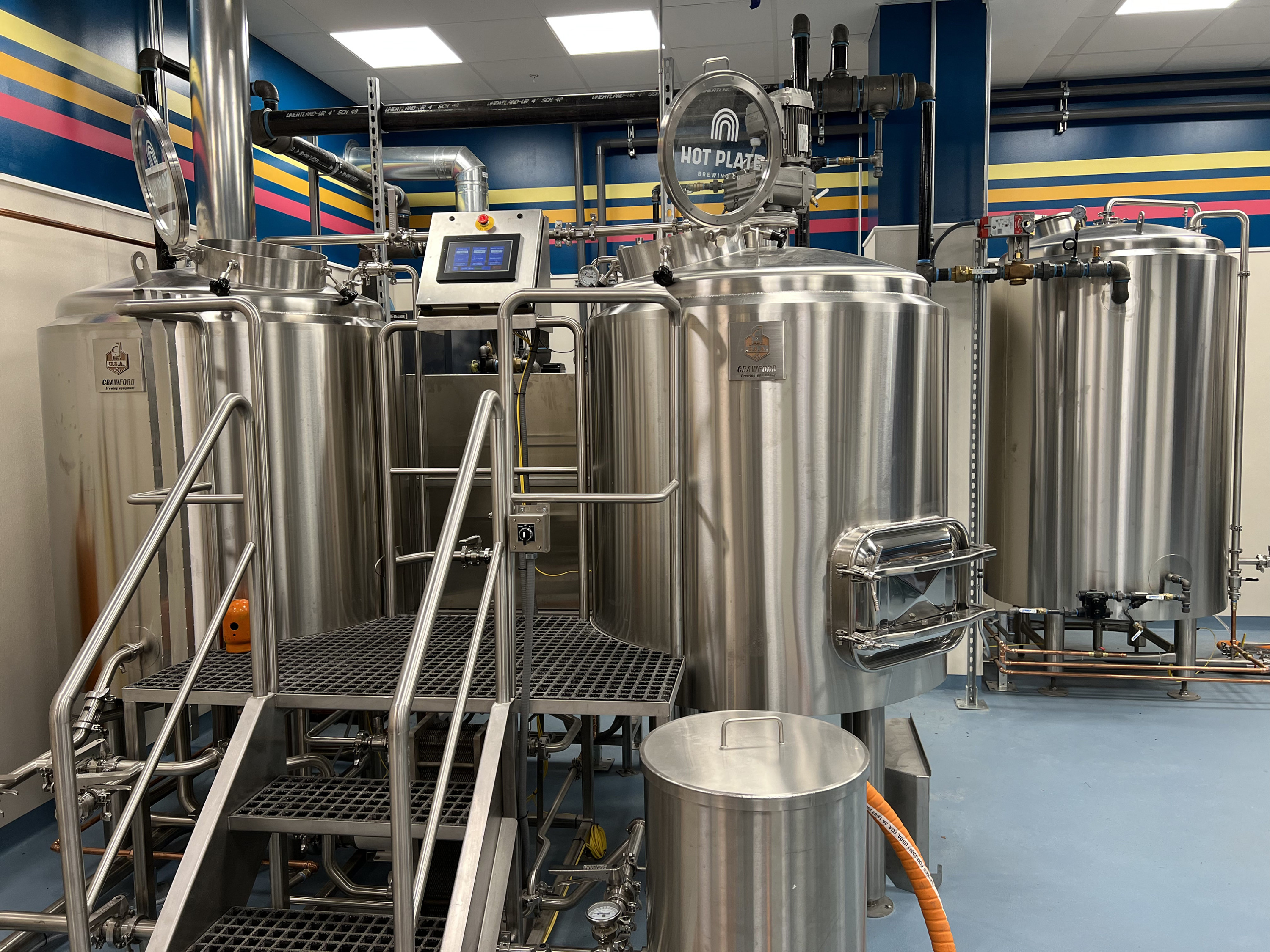
Whether the project involves a bioreactor, clean-in-place system, process skid, mixing system, pilot system, fermentation system, or custom equipment, the automation strategy should support how the process needs to operate.
Bring your process requirements, equipment information, operating sequences, controls standards, existing system details, and project schedule to Crawford Biotech. Our team will help define an industrial automation system that connects equipment, controls, instrumentation, utilities, and operators around one coordinated process.