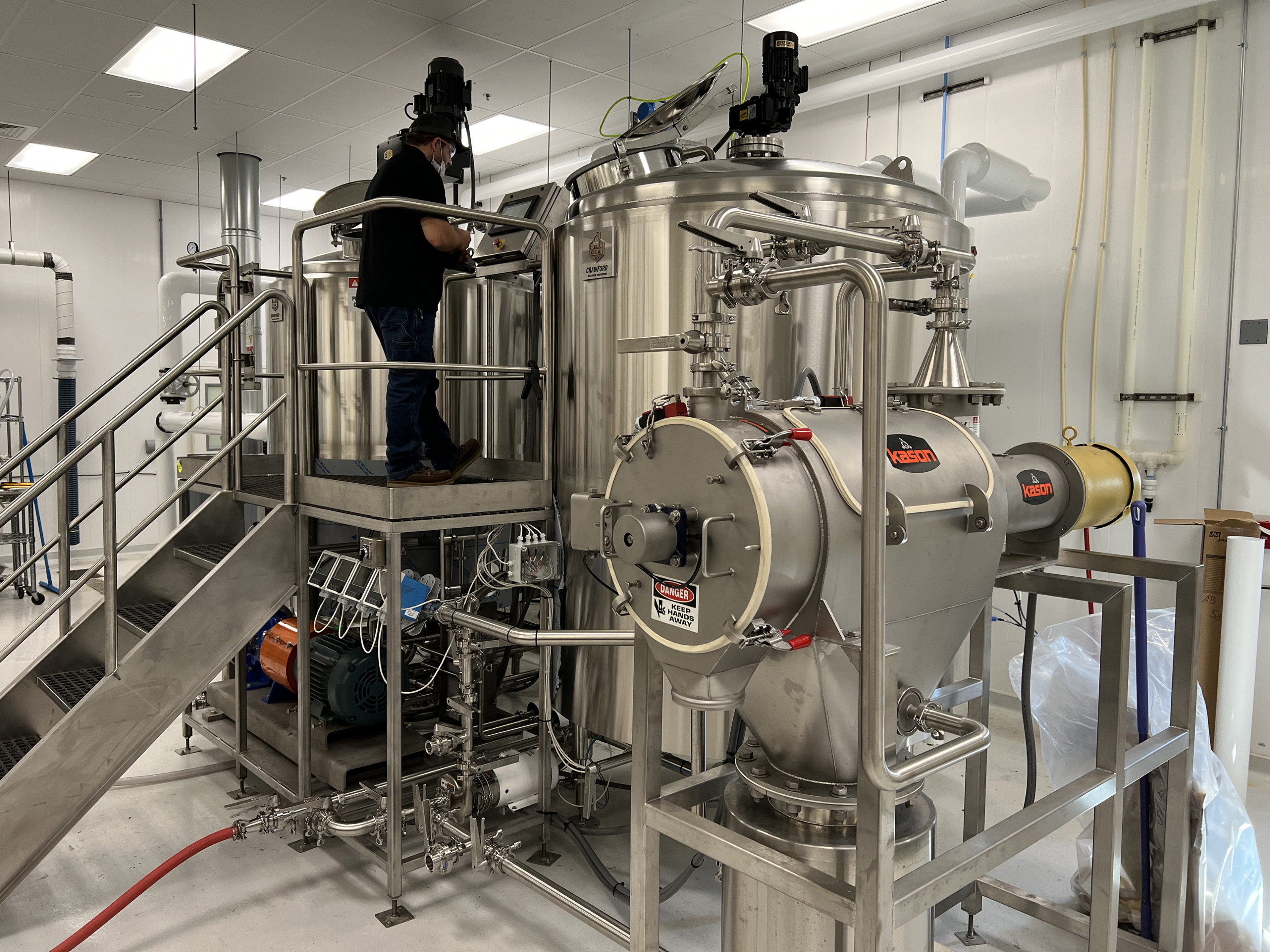

Biotech plant design is about more than layouts and drawings—it’s about making sure equipment, utilities, controls, and people work together the way they should inside a real facility. The goal is simple: support safe, consistent, and scalable production without creating unnecessary complexity. Effective plant design focuses on how systems are installed, connected, cleaned, operated, and maintained in day‑to‑day use, helping reduce construction issues and avoid operational headaches down the road.
Biotech plant design looks at the facility as a complete system, not a collection of individual components. It includes how process equipment is arranged, how utilities are delivered, how materials move through the space, and how operators interact with the process every day.
When plant design is done well, each system supports the others. Equipment installs cleanly, utilities align with actual process demand, and operators can run and maintain the system safely and efficiently. This approach also makes future changes—such as process updates or expansions—far easier to accommodate without major rework.
Every facility has unique requirements, but successful biotech plant design always accounts for how technical decisions affect real‑world operation. Addressing these elements early helps prevent delays, rework, and performance issues later.
Good process flow starts with thoughtful layout. Equipment placement, material movement, and personnel access should all support efficient operation while minimizing handling and contamination risk. Layouts need to reflect how the facility will actually be built and serviced, including installation access, maintenance clearance, and equipment removal paths.
Utilities such as electrical power, steam, chilled water, process water, compressed air, and HVAC must be sized and routed with the full process in mind. Early coordination between systems helps prevent conflicts during construction and ensures utilities can support both current operation and future growth.
Cleaning requirements directly influence facility design. CIP and SIP systems, drainage, material separation, and surface finishes all play a role in compliance and uptime. Designing these features at the plant level helps ensure cleaning is effective without adding unnecessary operational burden.
Instrumentation and automation should work consistently across the plant. Effective design considers sensor placement, wiring routes, control strategies, and operator interfaces so systems are reliable, easy to understand, and repeatable in operation.
Safe and practical access is not optional. Platforms, stairs, walkways, and equipment spacing allow operators and maintenance teams to work efficiently without compromising safety. Planning for access early reduces downtime and improves long‑term reliability.
Biotech facilities rarely stay static. Designing with flexibility—such as reserved utility capacity or adaptable layouts—makes it easier to add equipment or modify processes without disrupting active production areas.
Even well‑designed equipment can create problems if it is not integrated into the facility correctly. Mismatched connections, poor access, or utility conflicts often lead to delays, rework, and operational limitations.
At Crawford Biotech, our foundation in expert biotech equipment design directly informs our plant‑level work. Because we understand how equipment is fabricated, installed, and serviced, we design facilities that account for real connection points, tolerances, and service needs. This practical perspective helps bridge the gap between design intent and actual performance.
Crawford Biotech supports biotech plant design as an engineering and fabrication partner focused on real‑world execution. Rather than starting and stopping at conceptual layouts, we bring hands‑on experience from designing and building process equipment and integrated systems.
We work alongside owners, engineers, architects, and contractors to develop facility layouts and system connections that function as intended once installed. Our role may include early planning input, coordination between systems, or integrating custom equipment into existing facilities—all with the goal of smooth installation and dependable operation.
Engaging design support early helps identify constraints, reduce risk, and align facility decisions with long‑term production goals.
While biotech plant design focuses on the bigger picture, success still depends on how individual systems perform. Crawford Biotech’s experience delivering integrated equipment systems allows us to connect detailed equipment design with overall facility execution.
Whether supporting a single system or contributing to a complete facility design, our focus remains consistent: practical engineering, coordinated integration, and systems built to support reliable, long‑term production.
Biotech plant design includes facility layout, process flow, utilities, controls, cleaning systems, operator access, and safety considerations. It focuses on how all systems work together to support consistent, compliant production.
Equipment design focuses on individual tanks, skids, or systems. Biotech plant design looks at how those systems integrate into the facility, including utilities, access, controls, and overall process flow.
Plant design should be considered as early as possible. Early planning helps avoid layout conflicts, utility gaps, and installation challenges that are difficult and costly to fix later.
Yes. A key goal of effective biotech plant design is flexibility. Designing with spare capacity and adaptable layouts makes it easier to add equipment or expand production over time.
Crawford Biotech supports biotech plant design by integrating equipment, systems, and facility considerations. Our involvement can range from system‑level support to coordination across larger facility projects, depending on project needs.